How Cooling Measures and Modern Living Stabilize Property Prices
Singapore, a vibrant city-state renowned for its economic prowess and meticulously planned urban landscape, faces a perennial challenge: balancing its allure for global investors and its commitment to providing affordable housing for its residents. In this dynamic environment, property prices are a sensitive barometer of economic health and social stability. Amidst this delicate dance, the government’s strategic “cooling measures”, coupled with the emergence of modern residential concepts like Narra Residences and River Modern, play a crucial role in stabilizing the market and fostering a sustainable living environment.
At its core, the concept of cooling measures in Singapore is akin to a thermostat for its property market. The government, through agencies like the Urban Redevelopment Authority (URA) and the Monetary Authority of Singapore (MAS), implements a range of policies designed to temper excessive price growth, curb speculation, and ensure that housing remains accessible. These include measures such as additional buyer’s stamp duty (ABSD) for multiple property ownership, loan-to-value (LTV) limits to prevent over-borrowing, and stricter eligibility criteria for housing loans. The primary objective isn’t to crash prices, but to inject a dose of reality into market sentiment, discouraging purely speculative investment and encouraging genuine homeownership. By making it less attractive to buy solely for quick profit, these measures shift the focus back to the fundamental demand for housing, thereby creating a more stable and equitable price trajectory.
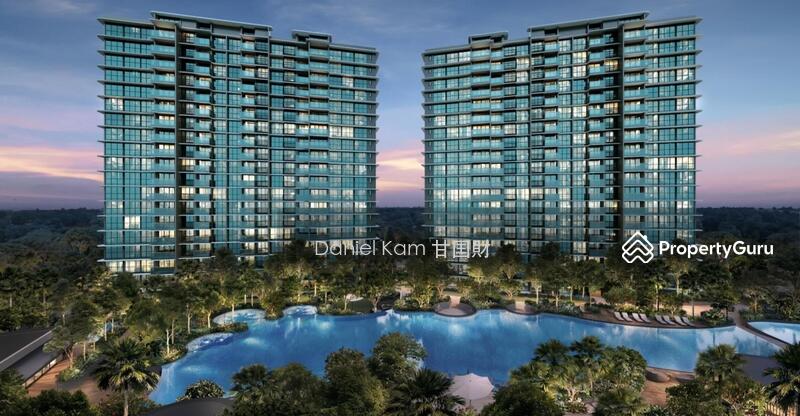
This government-led stabilization is further reinforced by the evolving landscape of residential developments. Take, for instance, Narra Residences. This hypothetical development, embodying principles of modern urban living, would typically focus on providing well-designed, functional, and increasingly, more attainable housing options. Such projects often cater to a diverse demographic, including young families and professionals, who are the bedrock of demand for sustainable housing. By offering a spectrum of unit sizes and types, and often incorporating smart home technologies and community-centric amenities, Narra Residences aims to meet the practical needs of its residents rather than the speculative whims of investors. This focus on intrinsic value – the quality of life, convenience, and community – inherently contributes to price stability. When a property’s value is derived from its livability and utility, it is less susceptible to the wild swings of speculative fervor.
Similarly, River Modern represents another facet of this stabilizing trend. This concept likely emphasizes a harmonious integration of contemporary design with natural elements, perhaps situated along Singapore’s iconic waterways. Such developments often attract a discerning buyer who values not just a roof over their head, but an elevated living experience. By offering unique selling propositions like scenic views, proximity to green spaces, and sophisticated architectural aesthetics, River Modern developments appeal to a buyer pool that is less driven by short-term gains and more by long-term lifestyle aspirations. This focus on creating desirable, yet responsibly priced, living spaces helps to anchor the market. When developments offer tangible benefits and a superior quality of life, their prices tend to reflect intrinsic worth rather than inflated market sentiment.
The synergy between government cooling measures and the thoughtful development of modern residential projects like Narra Residences Price and River Modern Price is crucial for Singapore’s property market. The cooling measures act as the overarching regulatory framework, ensuring that the market doesn’t overheat. They create a more predictable environment, discouraging excessive borrowing and speculative buying. Within this framework, developments like Narra Residences and River Modern contribute by offering housing that is not only desirable but also grounded in practical needs and aspirational living. They cater to genuine demand, focusing on build quality, community, and lifestyle enhancements.